

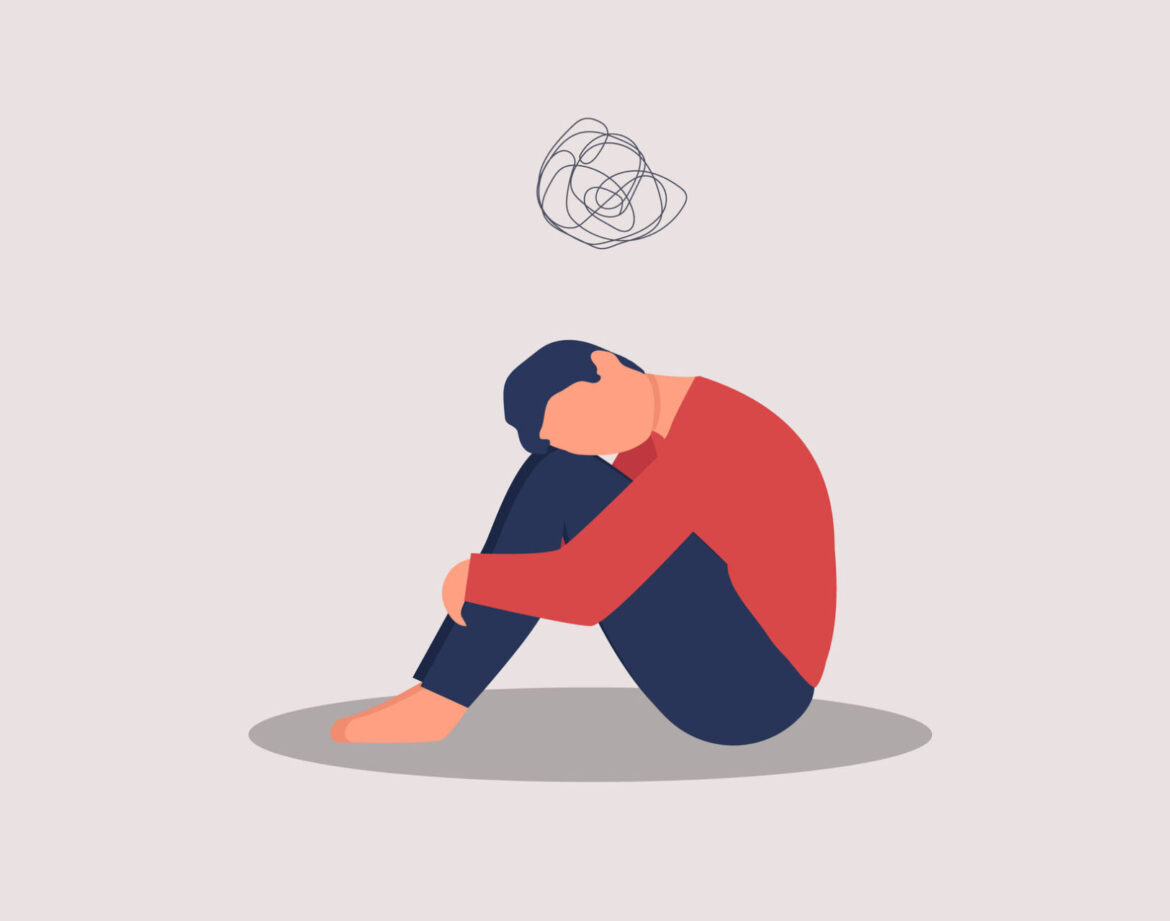
A message to the Boy Child
We are losing our boys. The statistics are clear and startling: boys are in trouble and it’s time we do something about it. As a society, we need to recognize that there is an epidemic of male mental health issues facing our children and teens. It is not just “boys being boys” anymore – this is a serious crisis!
What is happening to our males?
Some of the most common mental health diagnoses for men are ADHD, autism and depression.
Males are more likely to be diagnosed with ADHD than girls. Boys are also more likely to be diagnosed with autism spectrum disorder (ASD), which includes Asperger’s syndrome and pervasive developmental disorder (PDD).
Depression affects both genders equally, but anxiety disorders tend to affect girls more than boys–and when they do occur in males, they’re often misdiagnosed as something else such as “attention deficit hyperactivity disorder” (ADHD).
The New Males Order
The Boy Child is a new order, and one that’s been in the making for some time. Men are falling behind girls in every area of development–from birth to adulthood, they’re more likely to be victims of violence, sexual assault (including rape), suicide and bullying.
Even if you don’t have children of your own yet or aren’t thinking about having them anytime soon, it’s important to understand how we got here so that we can start looking at ways out of this mess.
Male and Anger
When you are a male , you are more likely to be diagnosed with ADHD, autism, depression and anxiety, conduct disorder and other mental health issues than girls are.
That’s because in our society we still expect boys to be stoic and strong–to not cry or show emotion or weakness. We expect them to keep their heads down when they’re sad or angry; we expect them not to talk about how they feel because “that’s not manly.” The truth is that all humans need help sometimes–and it doesn’t matter whether you’re male or female! In fact there are many things that only women can understand about each other (and vice versa). But when it comes down to helping each other out…well…the rest of society doesn’t always make this easy for us either!
Suicide and Homicide in Adolescents and Young Adults
Suicide and homicide are the second and third leading causes of death among adolescents and young adults, respectively. The suicide rate for men is 3 times higher than women; the homicide rate for boys is 2 times higher than girls.
How to help a boy who needs help
If you know someone out there who needs help, here are some steps that can help him:
- Find a support network. Men who feel like they are part of something larger than themselves are more likely to seek out help when they need it. Try joining an organization or group that meets regularly (like Scouts) and encourage your son to do so as well.
- Find a mentor. If the person doesn’t have someone he looks up to in his life already, try helping him find one by asking friends and family if they know anyone who could fill this role for them–or even better yet, introduce him directly!
- Get involved with other people like yourself through clubs or sports teams where everyone understands each other’s challenges because they’re facing similar things themselves
We need to do a better job helping our men.
The boy child is a special concern for parents and educators. Men are more likely than girls to be diagnosed with ADHD, autism, learning disabilities and depression. In addition, they are less likely to seek help for their problems because they don’t want to be perceived as weak or defective
The boy child is in crisis. We need to do a better job helping our boys.